Are cows the true biological rulers of planet Earth?
Prompted by A NerdSip Learner
Grasp the mind-blowing scale of cattle biomass.
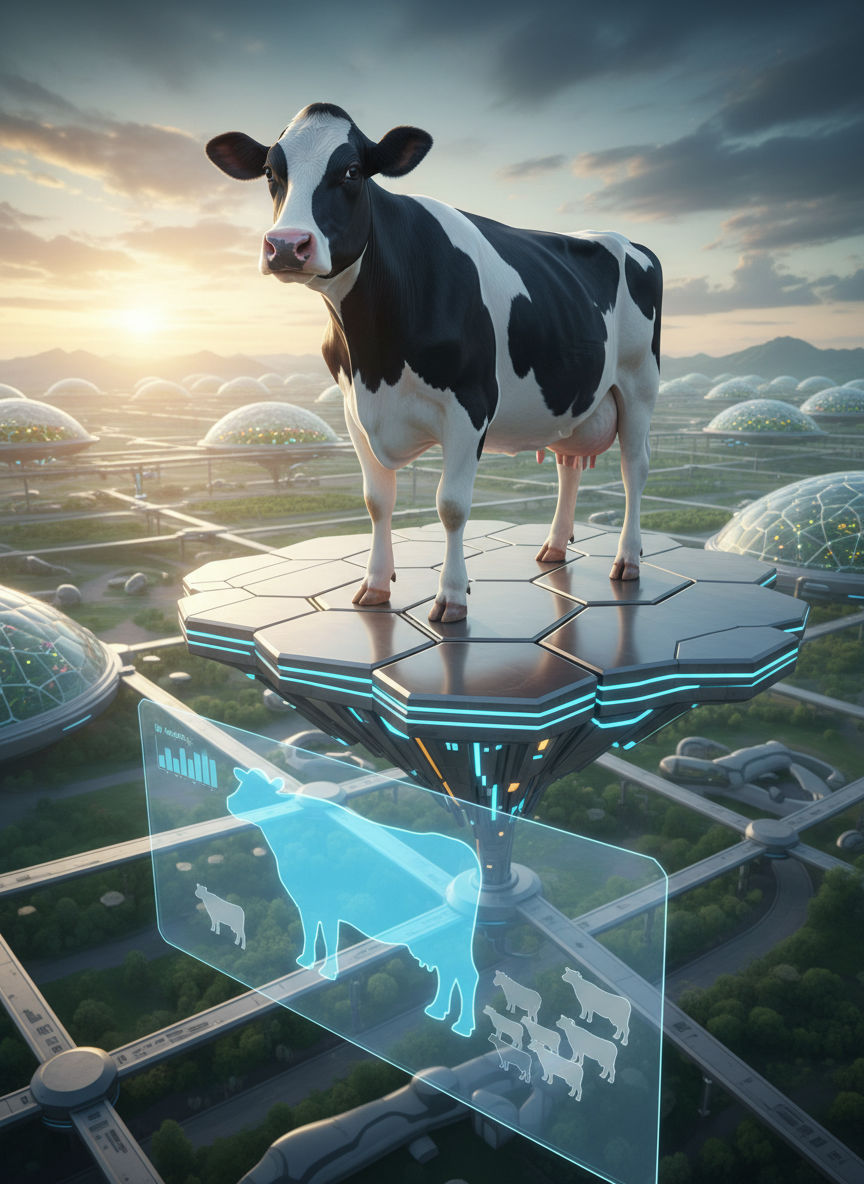
When you think of the "most successful" animal on Earth, you might picture humans, or maybe ants. But if we measure success by biomass—the total weight of a species—the humble cow takes the crown.
There are over a billion cattle on Earth today. Together, they weigh approximately 420 million tonnes. To put that into perspective, all humans collectively weigh around 390 million tonnes.
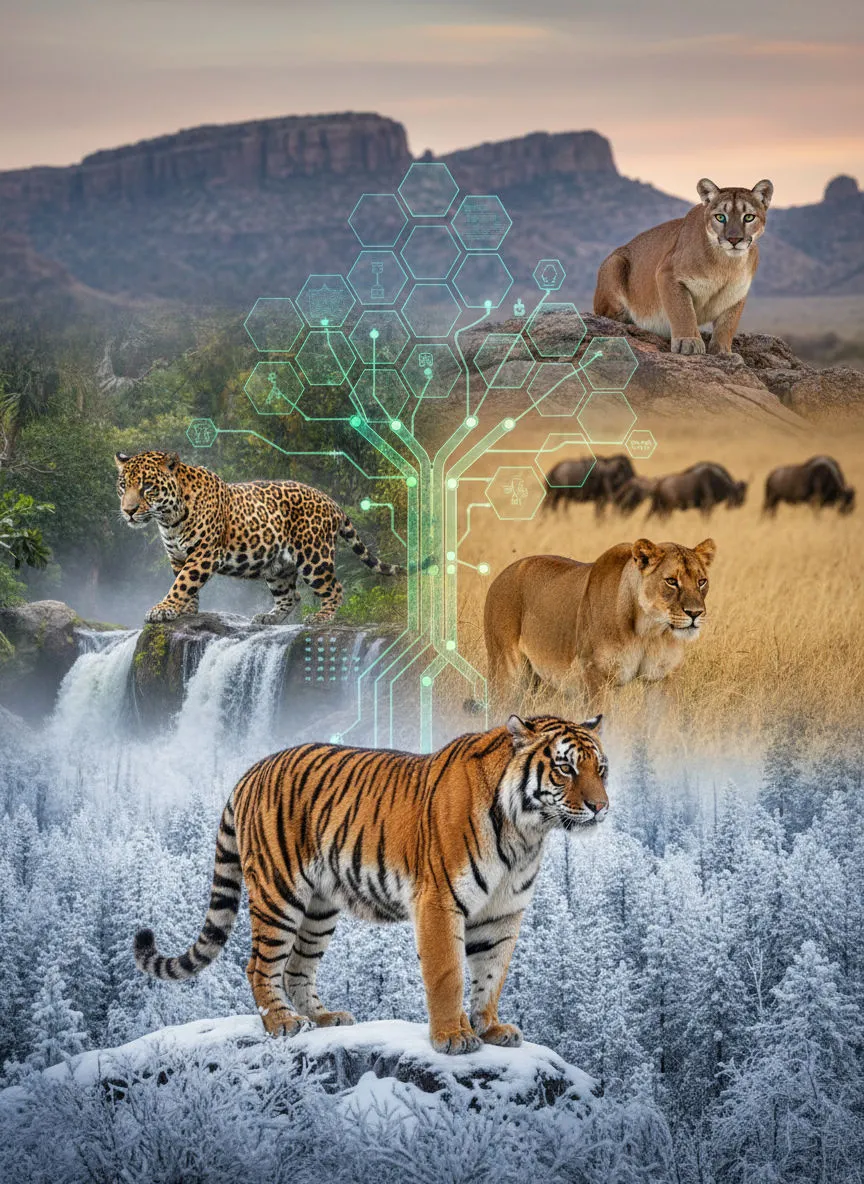
But the most mind-blowing comparison is with wildlife. If you took every single wild land mammal left on Earth—every elephant, lion, deer, and kangaroo—and put them on a scale, they would weigh just 20 million tonnes. Cattle outweigh all wild land mammals by more than 20 to 1!
While it is a common myth that cattle outmass *all* living mammals combined (since humans and other livestock like pigs add to the global total), they are indisputably the single heaviest mammal species on the planet. By completely dominating the mammalian biomass chart, the cow has achieved a bizarre but undeniable form of biological supremacy.
Key Takeaway
Cattle are the single largest contributor to mammalian biomass, vastly outweighing all wild land mammals combined.
Test Your Knowledge
If you put all wild land mammals on a scale, how would their total weight compare to the total weight of cattle?
How did a grazing herbivore conquer the globe? The story starts about 10,000 years ago with the aurochs, a massive, fierce wild ox that roamed across Eurasia and North Africa.
Early humans began trapping and breeding the most docile aurochs. Over generations of selective breeding, the terrifying aurochs was transformed into the modern domestic cow.
From a purely biological perspective, domestication was the greatest "evolutionary hack" in history. In nature, species struggle to find food, defend against predators, and expand their territory. But by providing humans with milk, meat, leather, and muscle for plowing, cattle secured the ultimate protection detail.
Instead of fending for themselves, cows now have humans clearing land for them, growing their food, and protecting them from wolves. By intertwining their survival with human civilization, cattle guaranteed that as long as humanity thrived, their species would too. They traded their wild freedom for guaranteed global dominance.
Key Takeaway
By becoming essential to human civilization, cattle outsourced their survival to us, ensuring their global spread.
Test Your Knowledge
What is the name of the massive, extinct wild ancestor of the modern domestic cow?
Being the heavyweight champion of the world comes with a massive ecological footprint. The "Bovine Empire" requires an astonishing amount of resources to maintain.
To support over a billion cattle, humans have dramatically reshaped the planet's surface. Roughly a quarter of the Earth's total land area is used for grazing livestock. On top of that, a massive chunk of global agriculture is dedicated strictly to growing feed, like corn and soy, just for cattle.
This dominance also affects the atmosphere. Cows are ruminants, meaning they digest their food by fermenting it in a specialized stomach. This process naturally produces methane, a potent greenhouse gas that they burp out into the air, making cattle a major factor in climate change.
The cow’s success story is a double-edged sword. Through human agriculture, they have achieved unmatched biological abundance, but it comes at a steep cost to the planet's wild habitats and climate stability.
Key Takeaway
The enormous population of cattle requires vast amounts of land and produces significant greenhouse gases, heavily impacting the Earth.
Test Your Knowledge
Why do cows produce large amounts of methane, a potent greenhouse gas?
Track your progress, earn XP, and compete on leaderboards. Download NerdSip to start learning.