Why will your future Netflix binge need a server farm on Mars?
Prompted by A NerdSip Learner
Understand the basics of Martian engineering.
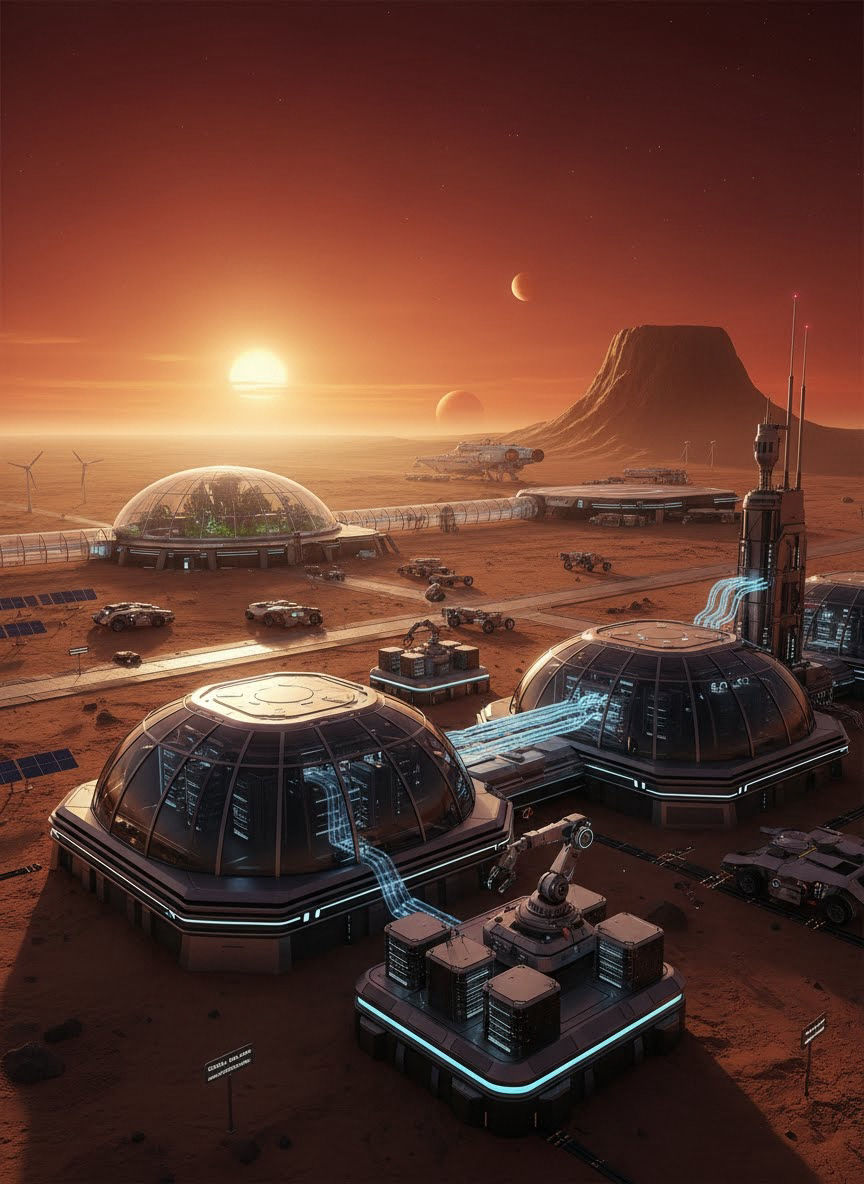
Imagine wrapping your gaming PC in a thick down feather blanket and running a high-end game. What happens? It overheats instantly! That is exactly the problem we face on Mars.
Even though Mars is freezing cold (average -80°F!), the atmosphere is super thin. On Earth, air flows over computers and carries the heat away. On Mars, the air is so thin it acts like a vacuum flask (like a Thermos), trapping heat inside the machines.
To build a data center there, we can't just open a window. Engineers have to design massive radiators that beam heat out as infrared light, or bury the servers deep underground to dump heat into the freezing soil. It's a backwards world where the cold planet actually makes it harder to cool down!
Key Takeaway
Mars' thin atmosphere traps heat inside electronics like a thermos, making cooling a major engineering challenge.
Test Your Knowledge
Why is it difficult to cool computers on Mars despite the freezing temperatures?
So, you've cooled your server. Now, how do you plug it in? On Earth, we love solar power. On Mars, solar is great until the Global Dust Storms hit. These massive storms can cover the entire planet and block out the sun for *months* at a time.
If a data center loses power, astronauts lose their navigation and life support systems. We can't rely on batteries alone for that long.
The solution? Nuclear fission. Small, portable nuclear reactors (like NASA's *Kilopower* project) act as reliable batteries that run regardless of the weather. Building a 'Silicon Valley' on Mars means moving away from the solar panels we see on rooftops here and embracing safe, compact nuclear engines to keep the lights on.
Key Takeaway
Solar power isn't enough for Mars data centers because massive dust storms can block the sun for months.
Test Your Knowledge
What is the primary risk of relying solely on solar power for a Martian data center?
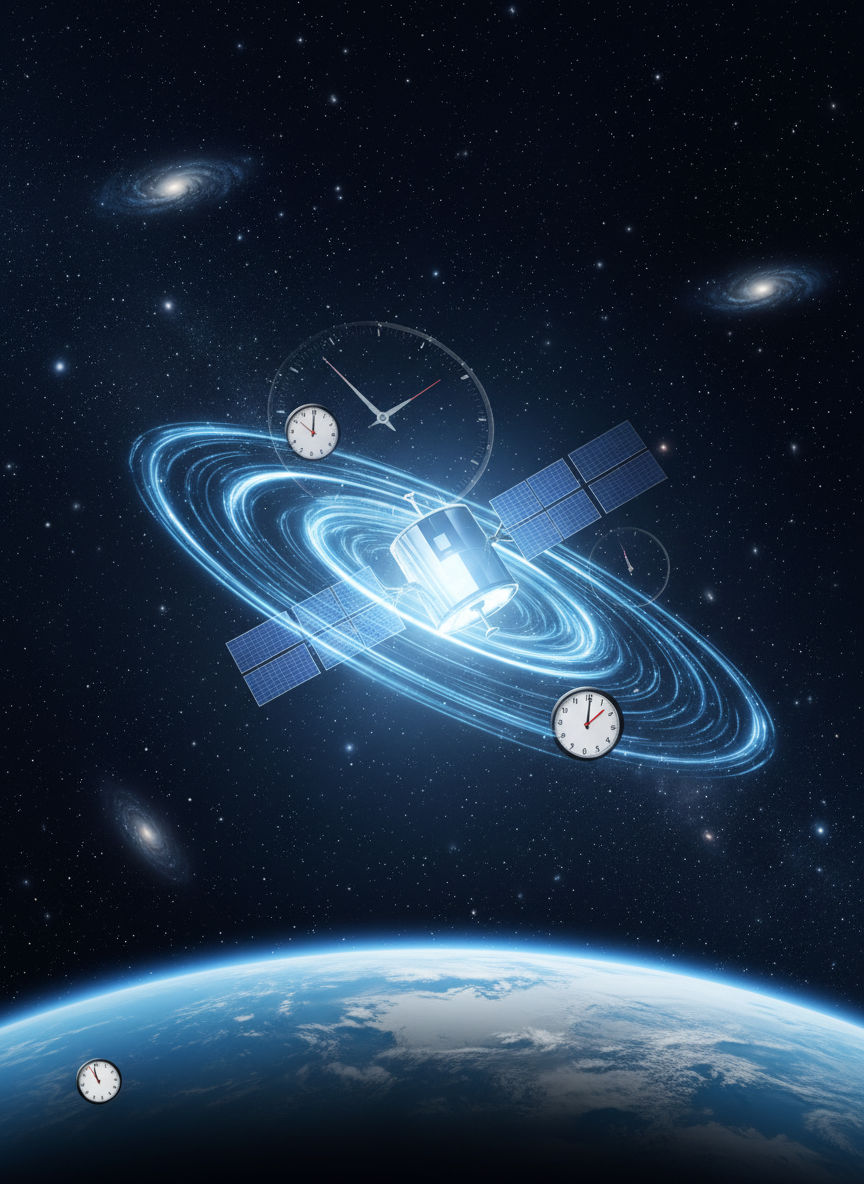
Why do we need data centers on Mars anyway? Why not just use the 'Cloud' back on Earth? The answer is latency, or lag.
Radio signals travel at the speed of light, but Mars is really, really far away. Depending on where the planets are, a signal can take anywhere from 3 to 22 minutes to get to Earth.
Imagine clicking a link and waiting 40 minutes for the page to load! That’s impossible for things like driving a rover, performing surgery, or running a Martian colony's life support. Mars needs its own local internet and servers because the 'ping' to Earth is just too high. We have to bring the computing brain with us, or the lag could literally be deadly.
Key Takeaway
The distance between Earth and Mars causes a 3-22 minute delay, making real-time computing from Earth impossible.
Test Your Knowledge
Why can't Martian colonists just use servers located on Earth?
Track your progress, earn XP, and compete on leaderboards. Download NerdSip to start learning.