You wake up exhausted even after 8 hours of sleep. You stare at your to-do list and feel nothing. Tasks that used to take an hour now take all day. You're irritable with people you care about. Coffee doesn't help. Rest doesn't help. Nothing helps.
You think you're just tired.
You're not.
You're burned out. And the difference between tired and burned out is the difference between needing a nap and needing to completely restructure your life.
Here's the data that should terrify you: 66% of U.S. employees report feeling burned out. That's not "a little stressed." That's two-thirds of the workforce operating in a state of chronic depletion that's destroying their health, relationships, and careers.
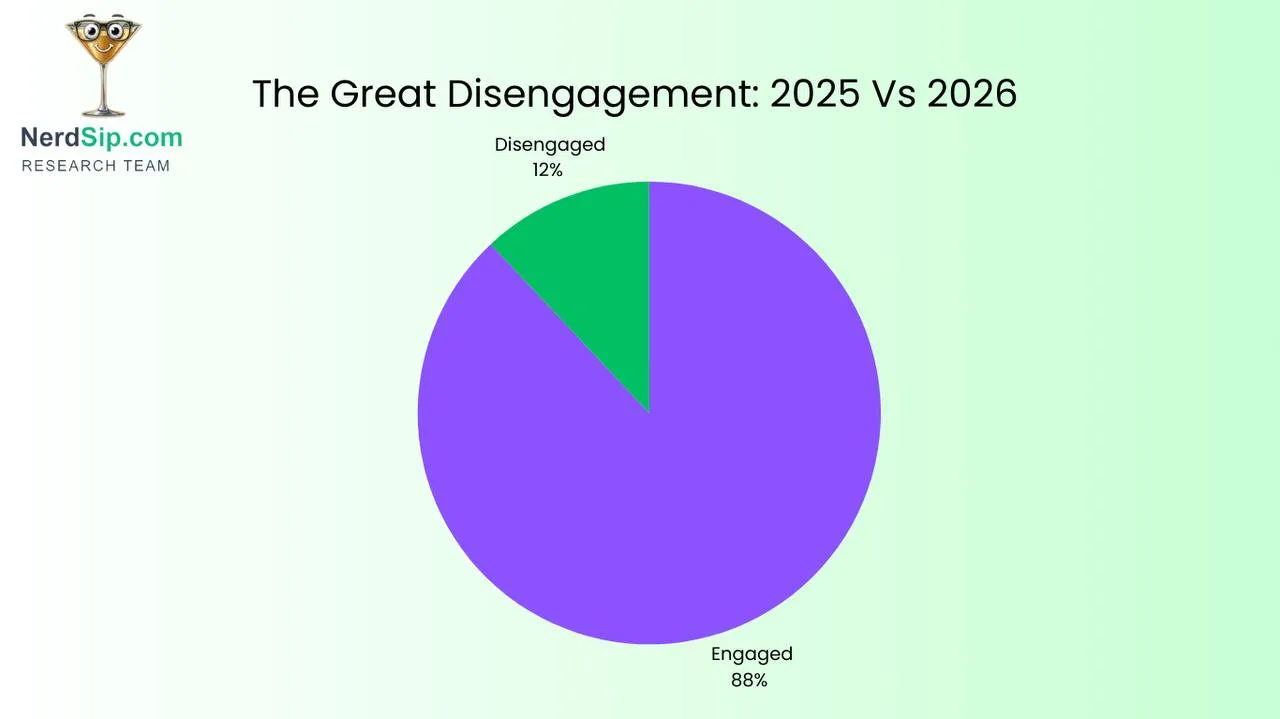
And it's getting worse. Employee engagement dropped from 88% in 2025 to just 64% in 2026—a catastrophic 24-point collapse in a single year.
This isn't a productivity problem. This is a human sustainability crisis.
The Brutal Truth: Burnout Isn't What You Think
Most people think burnout is just extreme tiredness. Work too much, get too tired, take a vacation, feel better.
Wrong.
The World Health Organization defines burnout as an occupational phenomenon resulting from persistent stress in the workplace, characterized by:
- Emotional exhaustion (feeling depleted, unable to cope)
- Depersonalization (cynicism, detachment, "checking out")
- Reduced professional efficacy (feeling incompetent, unproductive)
Here's the difference:
- Tired: You need rest. Sleep fixes it.
- Burned out: Rest doesn't fix it. You can sleep 10 hours and wake up feeling just as empty.
- Tired: You're physically drained but mentally engaged.
- Burned out: You're emotionally numb. Nothing feels meaningful.
- Tired: A weekend off helps.
- Burned out: Two weeks off changes nothing. You return feeling exactly the same.
The core problem? Your nervous system is stuck in survival mode, and no amount of physical rest will reset it.
Why 2026 Is the Worst Year for Burnout in History
The numbers are apocalyptic:
- 83% of workers feel at least some degree of burnout.
- 73% of Gen Z and 70% of Millennials are considering changing jobs due to burnout.
- 91% of 18-24 year-olds report symptoms like fatigue and brain fog.
- Companies lose $300 billion annually to stress-related absenteeism and reduced productivity.
What changed? Everything and nothing. AI was supposed to make work easier. Instead, 13% of employees say worrying about AI's impact on their role is driving their burnout.
The Real Cause: You're Being Asked to Do the Impossible
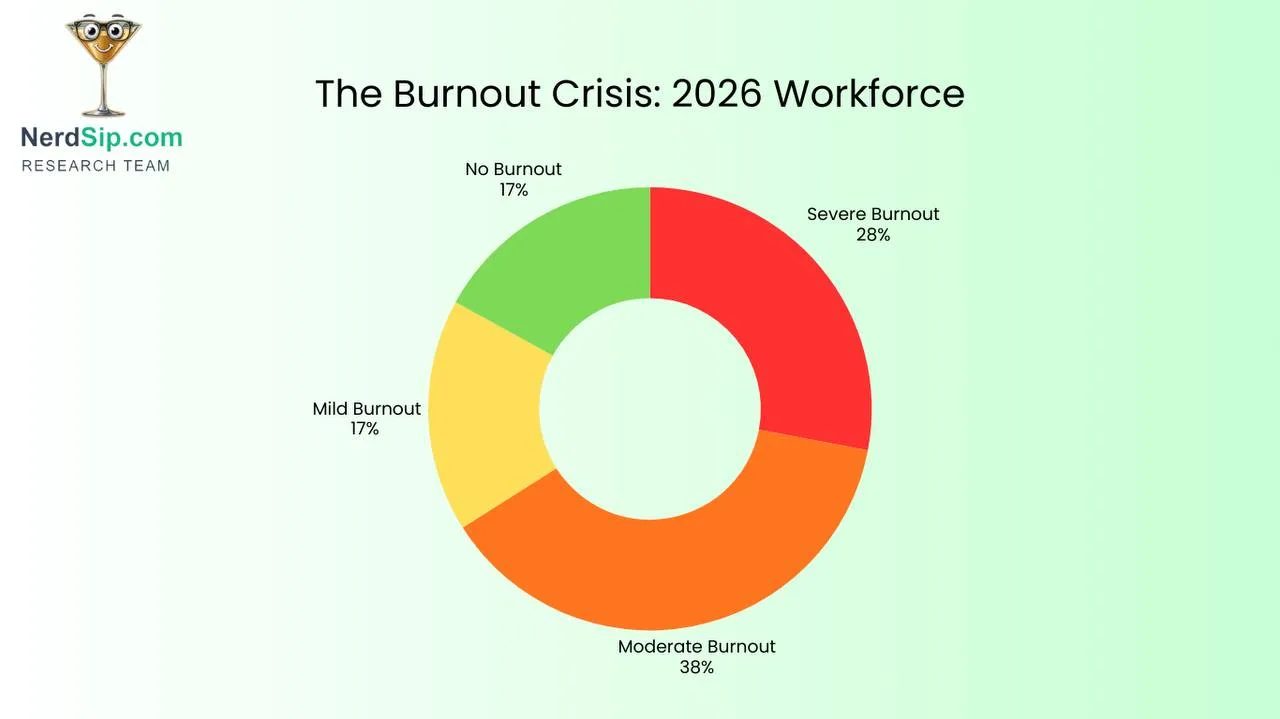
The system is broken. The workload is unsustainable. And instead of fixing the system, companies blame individuals for not "managing stress" better. Research shows 1 in 4 U.S. employees work outside scheduled hours "most of the time" or "every day."
The Hidden Costs You're Already Paying
Burnout doesn't stay at work. It metastasizes into every part of your life.
- Physical health: Working 55+ hours weekly increases stroke risk by 35%.
- Mental health: 83% say burnout negatively affects personal relationships.
- Financial costs: A 1,000-person U.S. company loses roughly $5 million annually from burnout.
Why Rest Doesn't Fix Burnout (And What Actually Does)
Real recovery from burnout requires three things:
1. Reclaim Your Cognitive Energy
Give your brain structured time to process, consolidate, and rest. The most effective way? Focused, intentional learning for 5-10 minutes daily.
Sounds counterintuitive, right? Here's why it works: Burnout stems from meaningless activity. Learning is inherently meaningful.
2. Rebuild Boundaries
Micro-boundaries that work:
- No work messages after 8pm.
- One hour daily with zero notifications.
- Lunch breaks that are actual breaks.
3. Build Meaning Outside Your Job
People who recover from burnout fastest are people who have sources of fulfillment outside work: Learning, Creating, Connecting, and Contributing. This is also how you keep your twenties from quietly slipping past. If that worry resonates, see our plan to stop wasting your twenties by building a hobby, real friendships, and a daily learning habit.
The 30-Day Burnout Recovery Protocol
If you're burned out right now, here's what to do:
- Week 1: Stop pretending you're fine. Identify triggers.
- Week 2: Pick ONE boundary and enforce it ruthlessly.
- Week 3: Learn something new for 5-10 minutes every day.
- Week 4: Invest in one non-work activity or connection.
NerdSip is live in the App Store and on Google Play. Start recovering from burnout with 5 minutes a day of intentional, meaningful growth.
Every NerdSip course clears a four-layer fact-checking pipeline before it reaches the app: grounded in live sources, scored nightly, gated on failure, and reviewable by a person at one tap. Articles on this blog are drafted with AI assistance, then researched, verified, and edited by our team.
Editorial responsibility: ai51 UG (haftungsbeschränkt). Responsible editor named in the imprint.
📚 Keep Learning
Explore the NerdSip learning hubs
The blog is our editorial layer. When you want to move from reading into doing, these hubs organize the rest of NerdSip by format, including the app itself and the press that has written about it.
Ready to Level Up?
Turn your screen time into knowledge. Download NerdSip and start learning in just 5 minutes a day.
4.7 stars from 380 reviews · 10,000+ learners