Why does your stomach always scream in quiet rooms?
Prompted by A NerdSip Learner
Master the science of your embarrassing stomach rumbles.
Have you ever been sitting in a dead-silent meeting when your stomach suddenly unleashes a loud, embarrassing growl? There is actually a fantastic, highly scientific word for this bodily symphony: borborygmi (pronounced bor-boh-RIG-mee).
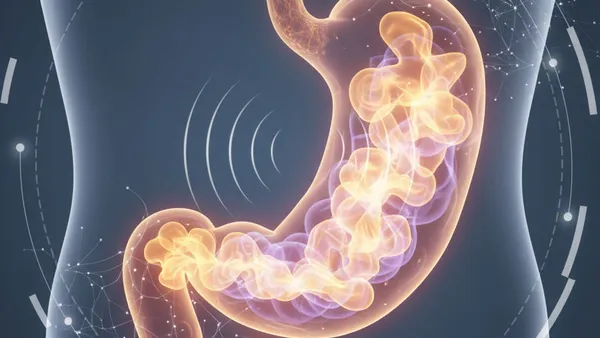
To understand why this happens, you have to picture your digestive tract for what it really is: a long, hollow, muscular tube. To move your meals along, the walls of this tube rhythmically contract and squeeze in a wave-like process called peristalsis.
Think of peristalsis like the cycles of a washing machine. It is constantly churning food, liquids, and swallowed air. As this liquid-air mixture gets vigorously pushed through your intestines, it creates a distinct gurgling sound.
Here is the fascinating secret: your gut is *always* making these noises, even right after you eat a massive meal! However, when your stomach and intestines are full, the thick mass of food acts like heavy acoustic insulation, muffling the noise. When they are completely empty, the hollow space acts like an echo chamber, amplifying every single squelch, squeak, and rumble for the whole room to hear.
Key Takeaway
Stomach growling happens constantly as your digestive muscles contract, but it is much louder on an empty stomach because there is no food to muffle the sound.
Test Your Knowledge
Why are your stomach's natural gurgling sounds so much louder when you are hungry?
So, if your stomach is completely empty and there is no food to process, why is it still churning and contracting? Enter the unsung hero of your digestive system: the Migrating Motor Complex (MMC).
The MMC is essentially your gut's internal, automated housekeeping service. When you are fasting between meals, your digestive system doesn't just go to sleep. Roughly every 90 to 120 minutes, your gut initiates a wave of powerful, sweeping muscle contractions.
Its job is incredibly important for your overall health. The MMC sweeps out residual undigested food, cellular debris, and lingering bacteria from your stomach and small intestine, forcefully pushing it all down into the large intestine. This sweeping action prevents bacteria from overpopulating in the wrong parts of your gut.
Because this aggressive sweeping action pushes pockets of trapped air and digestive juices through an empty, hollow tube, it can get quite noisy. So, the next time your stomach rumbles loudly a few hours after lunch, it isn't just complaining about hunger—it is actively deep-cleaning your digestive tract!
Key Takeaway
The Migrating Motor Complex is a sweeping wave of contractions that cleans your empty gut, producing loud rumbles as it pushes air and fluid along.
Test Your Knowledge
What is the primary purpose of the Migrating Motor Complex (MMC)?
While the deep-cleaning 'housekeeping' waves happen automatically on a timer, there is another reason your stomach starts vigorously growling the exact second you smell a fresh pizza.
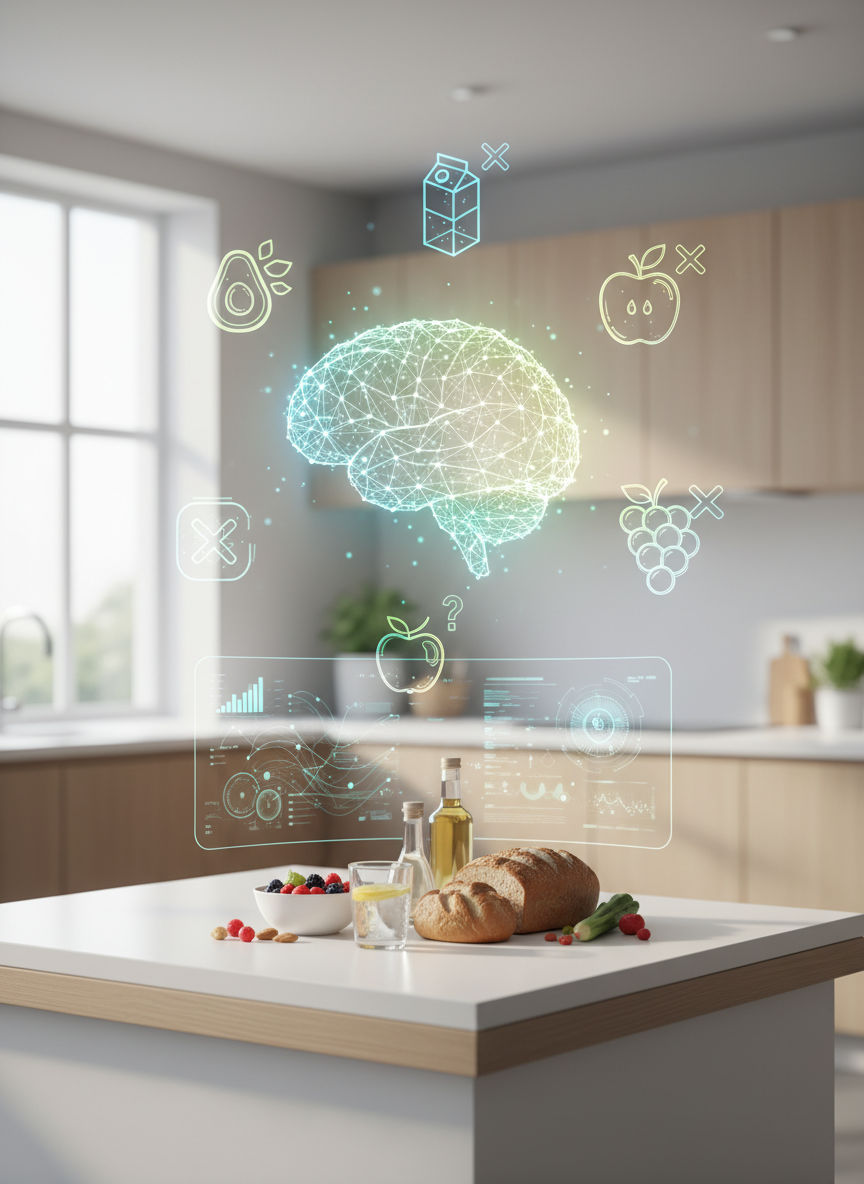
When your stomach has been empty for a prolonged period, the cells in your gastrointestinal tract release a chemical messenger called ghrelin. In the medical world, this is often affectionately nicknamed the 'hunger hormone.'
Ghrelin travels directly through your bloodstream to your brain, essentially ringing an alarm bell that it is time to eat. In response, your brain fires a rapid message back down the vagus nerve to your digestive system. It commands your stomach to crank up the muscle contractions and release digestive acids to prepare for the incoming food.
This sudden surge in muscular activity creates an aggressive, localized burst of borborygmi. A growling stomach is a beautiful, highly evolved two-way communication loop: your gut telling your brain it is empty, and your brain telling your gut to get the engines running for your next meal.
Key Takeaway
The hormone ghrelin signals hunger to your brain, which then stimulates digestive contractions that cause audible growling as preparation for food.
Test Your Knowledge
Which hormone is primarily responsible for signaling to your brain that it is time to eat?
Track your progress, earn XP, and compete on leaderboards. Download NerdSip to start learning.