Why do arguments and bad news grab your attention faster than joy?
Prompted by NerdSip Explorer #5918
Understand the psychology behind your obsession with conflict.
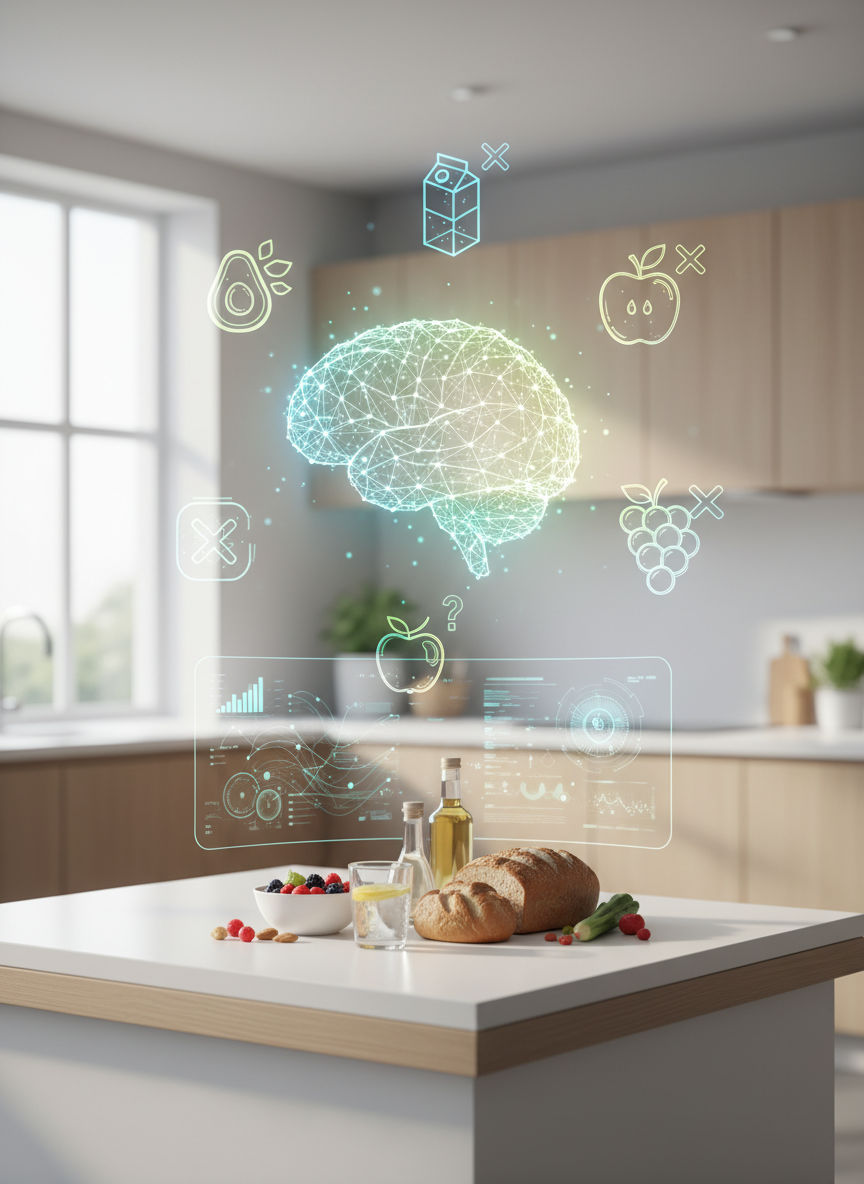
Imagine you are an ancient human walking through the jungle. You hear a sudden rustle in the bushes. If you assume it is just a friendly bird and ignore it, you might get eaten by a hungry tiger. If you assume it is a deadly threat, you run away and survive!
This brilliant survival instinct is called the negativity bias. Our brains are literally hardwired by nature to pay much more attention to bad news, danger, and conflict than to safe, happy things.
Positivity is absolutely wonderful, but it does not keep us alive in a crisis. When we see a conflict on TV, in a song's lyrics, or scrolling online, our ancient brain suddenly lights up, shouting, "Pay attention! This could be a threat!"
That is exactly why a peaceful sunset photo gets a quick smile, but a heated argument makes us stop and stare. We are all just modern cavemen trying to spot the tigers in our daily media.
Key Takeaway
Our brains naturally focus on conflict because noticing danger kept our ancestors alive.
Test Your Knowledge
What is the 'negativity bias'?
Think of your absolute favorite movie, book, or song. Now imagine if the main character got exactly what they wanted in the first five minutes, and the rest of the story was just them sitting on a couch smiling. It would be incredibly boring, right?
Conflict is the ultimate engine of entertainment. It creates narrative tension, which is a fancy way of saying it makes us lean forward and excitedly wonder, "What is going to happen next?"
Whether it is a painful heartbreak in a pop song, a terrifying villain in a superhero movie, or a reality TV star throwing a drink, conflict gives the story a meaningful direction. Without a struggle, there is no journey.
Our brains naturally love solving complex puzzles and watching people overcome massive obstacles. When media presents a difficult problem or a clash, we simply cannot look away until we see the final resolution!
Key Takeaway
Conflict creates narrative tension, keeping us hooked on the story until the problem is solved.
Test Your Knowledge
Why is conflict important in stories and songs?
Have you ever noticed your heart racing when you watch an intense movie scene or hear two famous musicians arguing online? That is not just your imagination; it is a very real physical reaction happening inside your body!
When we witness conflict, our brains immediately release a powerful cocktail of chemicals, including adrenaline and dopamine. Adrenaline gives us a sudden jolt of energy, perfectly preparing our bodies to either fight the danger or run away fast.
Dopamine, which is often called the brain's "reward chemical," is what actually keeps us hooked. It makes us desperately want to stay tuned in to see exactly how the drama ends.
This intense chemical rush makes us feel highly alert, focused, and alive. Pure positivity makes us feel calm and relaxed, which is lovely, but it simply does not provide that same addictive, thrilling spike of pure energy!
Key Takeaway
Watching drama releases adrenaline and dopamine, giving us a thrilling rush of physical energy.
Test Your Knowledge
Which two brain chemicals are released when we watch drama?
Humans are deeply, fundamentally social creatures. For thousands of years, our very survival depended on sticking together in small groups, or tribes. We relied on each other to stay safe.
When a public conflict happens, it instantly creates a clear "us versus them" scenario. Whether it is a bitter rap beef between two rival musicians, a sports rivalry, or a political debate, we instinctively love to pick a side.
Taking a side helps us quickly figure out who our closest allies are. Psychologically, it feels incredibly good and safe to agree with your friends about who is right and who is terribly wrong in a public dispute.
In this fascinating way, watching conflict actually acts as a weird type of social glue. Shared outrage or shared excitement brings us much closer to the people who agree with us, making our "tribe" feel stronger!
Key Takeaway
Taking sides in a public conflict helps us bond with our friends and feel like part of a strong group.
Test Your Knowledge
How does watching a public conflict act as 'social glue'?
If our brains naturally love a little bit of drama, the modern internet took that tiny natural spark and poured rocket fuel all over it.
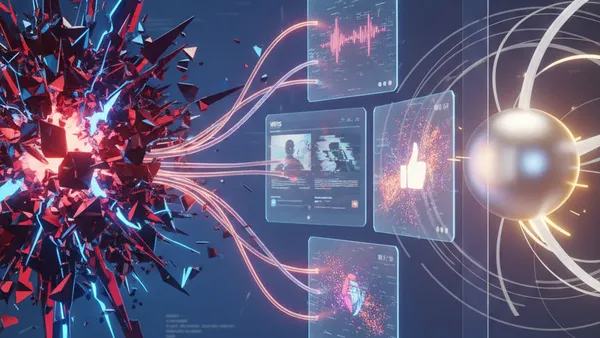
Social media platforms and news websites have one main goal: to keep your eyes on the screen. Their complex computer programs, known as algorithms, quickly learned a powerful secret. Happy posts get a few polite "likes," but angry, controversial posts get thousands of comments, shares, and clicks.
Because conflict naturally keeps us glued to the screen, these platforms intentionally show us more of it in order to sell more advertisements. In the modern media landscape, outrage equals attention, and attention equals big money.
So, the next time you find yourself staring at a massive fight online or in the news, remember: you are not broken for looking. You are just fighting an ancient brain and a modern supercomputer!
Key Takeaway
Internet algorithms promote conflict because outrage keeps us looking at screens, which makes them money.
Test Your Knowledge
Why do social media algorithms show us so much conflict?
Track your progress, earn XP, and compete on leaderboards. Download NerdSip to start learning.