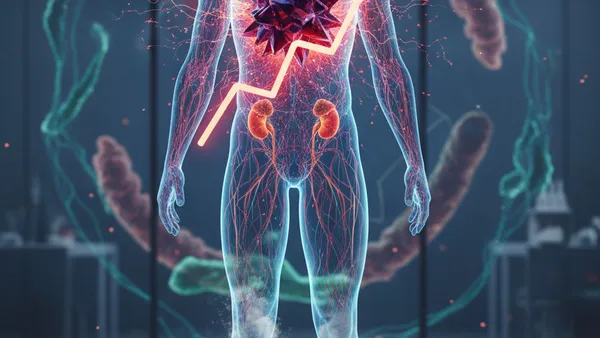
Can stressing out actually stop you from growing taller?
Prompted by NerdSip Explorer #8162
Understand how stress hormones block bone growth.
Your body is equipped with an incredible, built-in alarm system. When you face danger, your adrenal glands pump out cortisol, the famous "fight or flight" stress hormone. It floods your bloodstream, raises your heart rate, and gives you a quick burst of energy to either fight off a threat or run away fast.
But here is the biological catch: your brain cannot always tell the difference between a literal charging tiger and an upcoming math exam! If you are constantly worried about school, social media, or relationships, your body pumps out this hormone continuously. This is known as chronic stress.
When cortisol levels are always running high, your body assumes you are in a permanent state of emergency. It immediately goes into strict survival mode. To conserve energy for the "crisis," it shuts down funding to long-term projects—like building a robust immune system, digesting food efficiently, and most importantly, growing taller. To your biology, survival always wins over growth!
Key Takeaway
Chronic stress forces your body to abandon long-term growth to focus entirely on immediate survival.
Test Your Knowledge
Why does chronic stress force the body to pause long-term projects like physical growth?
To understand exactly how cortisol halts your vertical height, you first need to take a look inside the human bone factory and see how growth happens.
At the extreme ends of your long bones—specifically in your legs and arms—you have soft, cartilaginous zones known as growth plates (or epiphyseal plates). Think of these plates as biological 3D printers for bone. Packed inside them are specialized, microscopic worker cells called chondrocytes.
These chondrocyte cells have one primary mission: to rapidly divide, multiply, and stack up to form fresh new cartilage. As this new cartilage is created, your body brings in calcium to harden it, permanently turning it into solid bone.
This continuous cycle of stacking soft cartilage and hardening it into bone is exactly what makes your bones lengthen. As long as these plates are open and active, they push your height upward, millimeter by millimeter!
Key Takeaway
Your bones grow longer thanks to chondrocytes, which are specialized cells in your growth plates that build new cartilage.
Test Your Knowledge
What is the main job of the chondrocyte cells found inside your growth plates?
When cortisol levels stay too high for far too long, the hormone literally invades the bone factory and forces production to a sudden halt.
At the cellular level, cortisol acts like an aggressive boss that tells your crucial chondrocytes to drop their tools and stop working. It chemically blocks these cartilage-building cells from dividing and multiplying. Without new cells being born, the biological "3D printer" completely runs out of raw material.
Even worse, chronic high cortisol can trigger a grim biological process called apoptosis, which is essentially a cellular self-destruct sequence. Excessive stress hormones force perfectly healthy growth plate cells to die off prematurely.
With far fewer cells actively multiplying and massive numbers of cells dying off early, the entire bone-lengthening process grinds to a halt. If this happens during your peak teenage growth years, it can severely limit your final adult height.
Key Takeaway
High cortisol blocks bone cells from multiplying and triggers a self-destruct sequence that kills growth cells prematurely.
Test Your Knowledge
How does high cortisol directly damage the cells in your growth plates?
Cortisol doesn't just attack the bone factory directly; it also brutally sabotages your body's internal communication network, ensuring that the blueprints for growth never arrive.
Under normal, healthy conditions, a tiny region in your brain called the pituitary gland releases Growth Hormone (GH). This hormone travels through your blood to your liver, which then pumps out a VIP messenger called IGF-1 (Insulin-like Growth Factor 1). IGF-1 is the primary chemical signal that screams at your bones to grow.
However, excessive cortisol acts as a massive roadblock in this system. First, it actively suppresses your brain from releasing Growth Hormone in the first place.
Furthermore, even if some GH gets through, cortisol makes your bone cells "deaf" to the IGF-1 messengers. It downgrades the receptors on your cells, meaning the crucial growth signals simply bounce off. Your bones are left waiting for instructions that never arrive!
Key Takeaway
Cortisol suppresses the release of Growth Hormone and stops your bones from receiving crucial growth signals.
Test Your Knowledge
What effect does cortisol have on the body's growth messengers, like Growth Hormone and IGF-1?
The good news is that you have a massive amount of power over your stress levels, which means you can actively protect and maximize your growth potential!
Because your growth plates typically stay open until your late teens (and sometimes early twenties), actively managing your stress during high school is incredibly important. Your ultimate biological weapon is sleep. The vast majority of your body's Growth Hormone is released during deep, restful sleep. Quality sleep naturally suppresses cortisol and resets your system.
Activities like regular exercise, hanging out with friends, and practicing simple mindfulness or deep breathing are scientifically proven to lower cortisol. These habits send a powerful signal to your brain that "the coast is clear."
By deliberately keeping chronic stress in check, you permanently turn off the biological survival alarm. You give your body the ultimate green light to focus its energy on growing strong and tall!
Key Takeaway
Managing stress through deep sleep, exercise, and relaxation turns off the cortisol alarm, allowing your body to maximize its growth.
Test Your Knowledge
What is the most effective, natural way to flush out daily cortisol and release Growth Hormone?
Track your progress, earn XP, and compete on leaderboards. Download NerdSip to start learning.