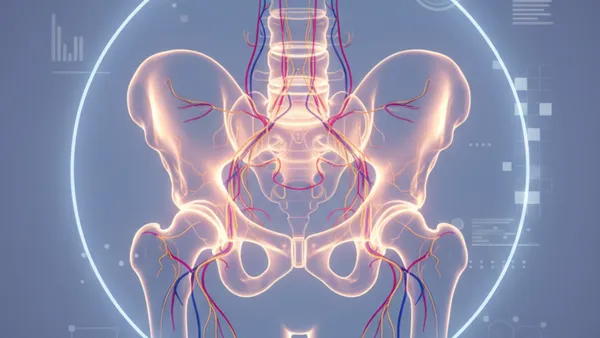
Did you know that the internal structure of the clitoris is over 4 inches long?
Prompted by NerdSip Explorer #7304
A comprehensive guide to understanding the biological structures of the female climax.
Welcome to Pleasure Anatomy 101! For a long time, the full structure of the clitoris was completely misunderstood by medical science. We often think of the clitoris as just a small external nub, but that is merely the tip of the anatomical iceberg.
In reality, the entire clitoral structure is massive, often measuring roughly 3.5 to 5 inches long! It extends deep into the body, wrapping around the urethra and the vaginal canal. It is an intricate, highly sensitive network composed of erectile tissue that swells with blood during arousal, much like the internal structures of a penis.
Understanding this "iceberg" changes how we view female climax. Arousal is a whole-pelvis event, involving deep internal structures that you cannot see from the outside. Throughout this course, we will break down each part of this fascinating biological engine.
Key Takeaway
The visible clitoris is just a small part of a larger, wishbone-shaped internal organ that spans roughly 4 inches or more.
Test Your Knowledge
Why is the clitoris often compared to an iceberg?
The part of the clitoris you can see on the outside of the vulva is called the glans. Located just above the urethral opening, this small structure is packed with nerve endings—estimates typically range from 8,000 to 10,000! This incredibly dense concentration of nerves makes the glans exquisitely sensitive to touch and pressure.
Because the glans is so sensitive, it is protected by a fold of skin known as the clitoral hood. The hood acts as a natural shield against unwanted friction from clothing or daily movement.
During sexual arousal, the erectile tissue inside the clitoris fills with blood and expands. As it swells, the glans often pushes outward, becoming more exposed from beneath the hood. This dynamic process is similar to how a foreskin retracts during a penile erection, allowing for direct stimulation when the body is ready for it.
Key Takeaway
The highly sensitive glans is protected by the clitoral hood, which naturally retracts as the tissue swells during arousal.
Test Your Knowledge
What is the primary biological function of the clitoral hood?
If you look past the external glans, the internal body of the clitoris branches off into two "legs" known as the crura (singular: crus). Together, the body and the crura form a shape that resembles an upside-down wishbone or an inverted V.
The crura are the longest parts of the clitoris. They anchor the structure to the pubic bone and extend downward, flanking the urethra and the vaginal canal. Like the glans, the crura are made of spongy erectile tissue called the corpora cavernosa.
When you become aroused, blood rushes into this spongy tissue. The crura become engorged, expanding in size and pressing gently against the surrounding vaginal walls. This internal swelling creates a sense of fullness and heightens sensitivity deep within the pelvis, contributing heavily to the physical sensations that lead up to climax.
Key Takeaway
The crura are the internal "legs" of the clitoris that swell with blood during arousal, creating deep pelvic sensitivity.
Test Your Knowledge
What shape does the internal structure of the clitoris closely resemble?
Nestled beneath the labia and alongside the vaginal opening are the vestibular bulbs (sometimes called the clitoral bulbs). These two teardrop-shaped sacs of erectile tissue are a vital part of the broader pleasure network.
During arousal, the vestibular bulbs can dramatically increase in size as they fill with blood. This engorgement physically alters the shape of the vulva, causing the inner lips (labia minora) to swell and turn a deeper color.
Internally, the swollen bulbs create a gentle, tightening pressure around the lower third of the vaginal canal. This biological "cushioning" not only enhances sexual pleasure by gripping a finger, toy, or partner, but it also physically supports the vaginal opening. The coordinated swelling of the bulbs and the crura is what makes external stimulation feel deeply resonant inside the body.
Key Takeaway
The vestibular bulbs are internal sacs of erectile tissue that swell during arousal, naturally narrowing the vaginal opening and enhancing pleasure.
Test Your Knowledge
How do the vestibular bulbs physically change during sexual arousal?
For decades, people have searched for the elusive "G-spot" as a distinct, magical button inside the vagina. Modern anatomy, however, has provided a much clearer and more holistic answer: the Clitourethrovaginal (CUV) Complex.
The anterior (front) wall of the vagina is not a highly sensitive organ in isolation. Instead, it is intimately layered with the internal roots of the clitoris and the urethral sponge. These tissues are incredibly interconnected and share a rich network of nerves.
When pressure is applied to the front wall of the vagina, you are not pressing a solitary "spot." You are actually stimulating the internal legs of the clitoris and the surrounding erectile tissue from the inside. This is why some people experience intense pleasure from internal stimulation—it is a synergistic activation of the entire CUV complex, working together as a unified system.
Key Takeaway
The "G-spot" is best understood as the CUV complex, where the internal clitoris, urethra, and vaginal wall seamlessly connect.
Test Your Knowledge
What does the term "CUV complex" suggest about internal female pleasure?
None of this incredible anatomy would result in climax without a specialized communication network. The primary "superhighway" for genital sensation is the pudendal nerve.
This major nerve travels from the lower base of the spine, through the pelvis, and branches out to the clitoris, the labia, and the surrounding tissues. It carries the electrical signals of touch, pressure, and temperature straight to the central nervous system.
But it doesn’t work alone! The pelvic and hypogastric nerves also gather sensory data from the vagina and cervix. When a person experiences sexual stimulation, this trio of nerves sends a rapid, escalating cascade of pleasure signals to the brain. Once these sensory signals hit a specific threshold, the brain triggers the reflex we know as an orgasm.
Key Takeaway
The pudendal nerve acts as the primary pathway transmitting pleasure signals from the clitoris and vulva to the brain.
Test Your Knowledge
Which major nerve is primarily responsible for carrying sensory signals from the clitoris to the central nervous system?
An orgasm is the body's spectacular release of built-up sexual tension, and it is fundamentally a muscular event. While the brain registers the intense pleasure, the physical mechanism of the climax relies on the pelvic floor.
As sensory input peaks, the nervous system triggers a reflex. The engorged erectile tissues (the clitoris and vestibular bulbs) are suddenly compressed by rhythmic, involuntary contractions of the pelvic floor muscles—specifically the bulbospongiosus and pubococcygeus muscles.
These muscular contractions typically occur in rapid succession, roughly 0.8 seconds apart, forcing blood out of the swollen tissues and sending waves of immense pleasure throughout the body. Following these contractions, the blood slowly drains back into the circulatory system, the swelling subsides, and the body enters a relaxed state of resolution.
Key Takeaway
The physical sensation of an orgasm is driven by the rhythmic, involuntary contractions of the pelvic floor muscles.
Test Your Knowledge
What happens to the pelvic floor muscles during the physical climax of an orgasm?
Track your progress, earn XP, and compete on leaderboards. Download NerdSip to start learning.