Did you know your brain is like a muscle that literally changes shape when you learn a new skill?
Prompted by NerdSip Explorer #2352
Understand how the brain's networked structure can be physically reshaped to break toxic cycles.
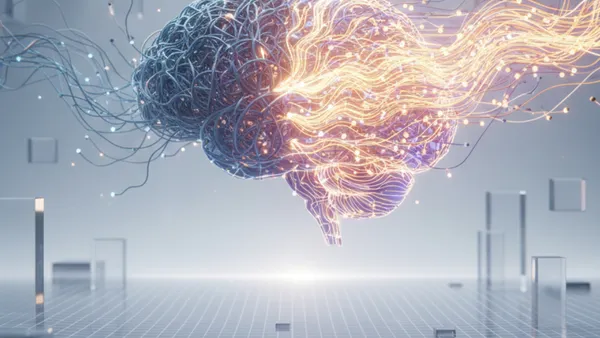
Did you know your brain is like a muscle that literally changes shape when you learn a new skill? For a long time, scientists believed that the adult brain was fixed and unchangeable. We now know that our brains are incredibly dynamic. This ability to change is called neuroplasticity.
Neuroplasticity means that your brain's physical structure and chemical makeup alter in response to your experiences, thoughts, and behaviors. Every time you practice a new guitar chord, learn a language, or resist a craving, your brain is actively rewiring itself.
This is fantastic news for anyone looking to break toxic cycles. You are not hardwired to be stuck with bad habits forever. With conscious effort, you can physically remodel the networked structure of your brain, carving out new, healthier pathways and leaving the old ones behind.
Key Takeaway
Neuroplasticity is the brain's dynamic ability to reorganize itself physically and chemically in response to your experiences and habits.
Test Your Knowledge
What does the term "neuroplasticity" refer to?
In 1949, psychologist Donald Hebb introduced a concept that became a cornerstone of neuroscience: "Neurons that fire together, wire together." But what does this actually mean for your daily life and habits?
Imagine walking through a dense, overgrown forest. The first time you push through the brush, it is difficult and slow. But if you walk that exact same path every single day, you eventually trample down the weeds and create a clear, easy-to-follow trail. Your brain works the exact same way.
When you repeat a behavior—like reaching for your phone the moment you wake up—the neural connections associated with that action become thicker and faster. The more you do it, the stronger the "wiring" becomes, making the habit feel completely automatic. To break a toxic cycle, we have to stop walking down that old neural pathway and start blazing a new one.
Key Takeaway
Repeating an action strengthens the neural connections in your brain, making the behavior feel automatic over time.
Test Your Knowledge
What is the main idea behind the phrase "Neurons that fire together, wire together"?
To truly rewire a habit, it helps to understand where these behaviors live in your brain. When you first learn a new skill, like driving a car, it requires immense focus. This active, conscious thought is managed by your prefrontal cortex—the brain's command center for complex decision-making and willpower.
However, the brain is highly efficient and constantly wants to save energy. Once a behavior is repeated enough times, control shifts away from the prefrontal cortex to an older, deeper region called the basal ganglia. This area is responsible for automatic behaviors and pattern recognition.
This neural shift is exactly why toxic habits are so hard to break! By the time you realize you're biting your nails or scrolling mindlessly through social media, your basal ganglia has already executed the program on autopilot. Breaking a habit requires intentionally bringing the action back into the conscious prefrontal cortex.
Key Takeaway
Habits transition from conscious effort in the prefrontal cortex to automatic routines in the basal ganglia to save brain energy.
Test Your Knowledge
Which brain region takes over once a behavior becomes an automatic habit?
Every habit, whether highly productive or deeply toxic, is driven by a simple neurological loop consisting of three parts: a cue, a routine, and a reward. Recognizing this loop is your secret weapon for rewiring your brain.
The "cue" is the trigger that tells your brain to go into autopilot. It could be a specific time of day, an emotional state (like anxiety), or a certain location. The "routine" is the behavior itself, such as eating a sugary snack. Finally, the "reward" is the feeling of satisfaction or temporary relief your brain receives, which reinforces the loop for the future.
You cannot simply delete a deeply wired habit loop. Instead, the most effective way to change a toxic cycle is to keep the same cue and the same reward, but swap out the routine. Next time you feel stressed (cue) and want to doom-scroll (routine) to feel a brief distraction (reward), try replacing the routine with a quick walk outside instead.
Key Takeaway
Habits operate on a three-part loop (cue, routine, reward), and the best way to change them is to replace the routine while keeping the cue and reward intact.
Test Your Knowledge
What are the three core components of the habit loop?
We've explored how repeating a behavior strengthens neural pathways, but what happens to your brain when you actively stop doing something? Your nervous system undergoes a fascinating biological process known as synaptic pruning.
Just as a gardener snips away dead branches so a plant can direct its energy toward new, vibrant growth, your brain actively breaks down neural connections that are no longer being used. This represents the ultimate neurological "use it or lose it" principle.
When you consciously resist engaging in a toxic cycle, you are starving that specific neural pathway of traffic. Over time, the brain recognizes that this connection is no longer necessary and begins to prune it away. The urge to fall back into the old habit will gradually fade because the physical infrastructure supporting it in your brain is literally being dismantled.
Key Takeaway
Synaptic pruning is the brain's natural way of dismantling unused neural pathways, which helps weaken old habits over time.
Test Your Knowledge
What happens during the process of synaptic pruning?
While willpower is a great starting point for breaking bad habits, relying on it entirely is a losing game. The prefrontal cortex gets fatigued easily, leading to a phenomenon known as decision fatigue. To successfully rewire your brain, you need to manage environmental "friction."
Friction refers to the number of steps or the amount of physical and mental effort required to perform an action. If you want to break a toxic habit, you must increase the friction. For example, if you want to stop late-night snacking, keep junk food out of the house completely. You've added the friction of having to drive to a store to get the snack.
Conversely, you should decrease the friction for the new, positive routines you want to build. Want to read more? Leave a book directly on your pillow. By strategically manipulating your environment, you make bad habits incredibly difficult and good habits the path of least resistance.
Key Takeaway
Altering your environment to add friction to bad habits and remove friction from good habits conserves willpower and speeds up neuro-rewiring.
Test Your Knowledge
How can increasing "friction" help you break a toxic habit?
Remodeling the physical structure of your brain is not an overnight process. It requires what neuroscientists call "self-directed neuroplasticity"—the intentional, conscious effort to shape your brain's anatomy through your daily choices.
When you first start replacing a toxic cycle with a healthier routine, it will almost certainly feel uncomfortable, forced, and clunky. This discomfort is completely normal; it is simply the physical sensation of your brain trying to navigate a brand-new, unpaved neural pathway instead of taking its favorite shortcut.
Remember that consistency is far more important than intensity. Small, daily choices signal to your brain that this new pathway is important. Give yourself grace when you slip up, and remember that every time you consciously redirect your behavior, you are literally changing the shape of your brain. With time, the new habit will become your default.
Key Takeaway
Rewiring your brain takes time and consistent practice; early discomfort is just the feeling of building new, healthier neural pathways.
Test Your Knowledge
Why does adopting a new habit often feel uncomfortable or clunky at first?
Track your progress, earn XP, and compete on leaderboards. Download NerdSip to start learning.