Could your stomach be secretly controlling your daily emotions?
Prompted by A NerdSip Learner
Understand the gut-brain connection to boost your mood.
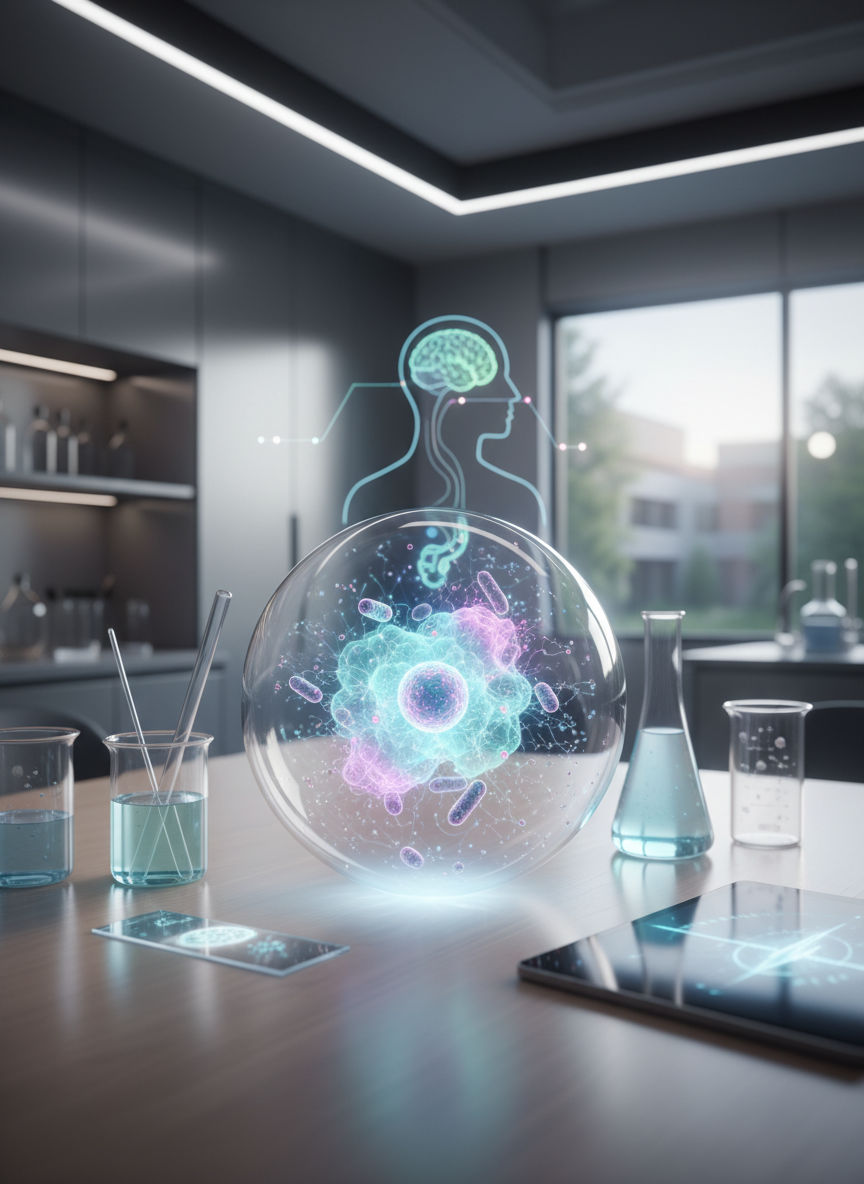
Did you know you actually have *two* brains? While the one in your skull gets all the glory, there is a second, hidden network of neurons lining your entire digestive tract. This is called the Enteric Nervous System (ENS).
This "second brain" consists of millions of neurons. But it doesn't work in isolation. It is physically tethered to your head-brain by a massive information superhighway known as the vagus nerve. This nerve runs all the way from your brainstem down into your abdomen.
You might assume your main brain is the boss, constantly shouting orders down to your stomach. Surprisingly, the communication works mostly in the *opposite* direction.
Scientists estimate that nearly 90% of the signals traveling along the vagus nerve are actually going *up* from your gut to your brain. Your belly is constantly sending physiological status updates, meaning the state of your digestion can directly influence your thoughts, stress levels, and overall emotional state!
Key Takeaway
Your gut and brain are physically connected by the vagus nerve, with the vast majority of signals traveling upward to the brain.
Test Your Knowledge
Which structure acts as the "information superhighway" between your gut and your brain?
When we think of "mood," we usually think of brain chemicals. One of the most famous is serotonin, often called the "happy hormone" because it plays a crucial role in stabilizing our mood, sleep, and feelings of well-being.
But here is the wild part: your brain isn't the main producer of this chemical. Scientists estimate that roughly 90 to 95% of your body's serotonin is actually manufactured right in your digestive tract!
So, who is running this chemical factory? Your gut microbiome. Trillions of microscopic bacteria live inside your intestines, and they are intimately involved in creating these vital neurochemicals.
These tiny microbes take the food you eat and help convert it into the signaling molecules your brain relies on. When your gut bacteria are thriving and balanced, they act as an internal pharmacy, smoothly dispensing the chemicals you need to keep your emotions balanced and your mind sharp.
Key Takeaway
Up to 95% of your body's serotonin—a key mood-stabilizing chemical—is produced in your digestive tract, heavily influenced by your gut bacteria.
Test Your Knowledge
Approximately how much of your body's serotonin is produced in the gut?
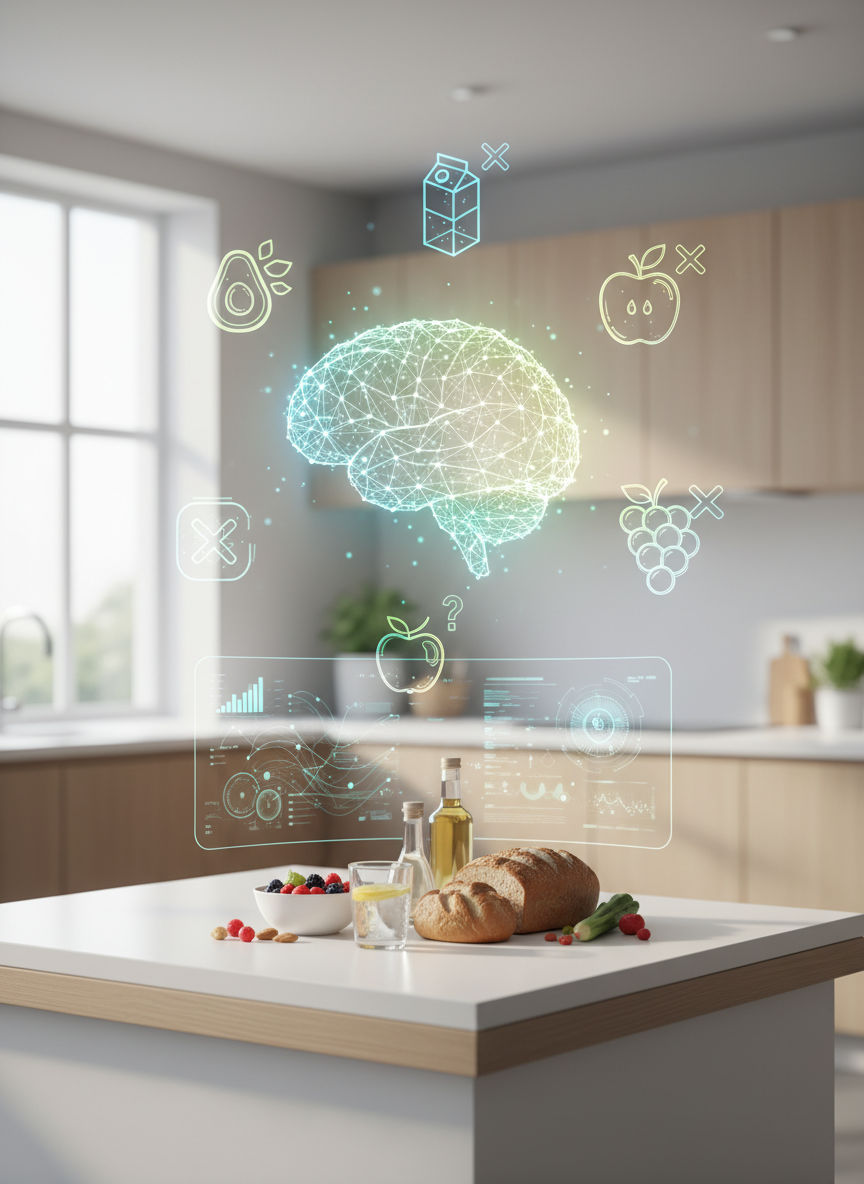
Because your gut bacteria essentially manufacture your mood-regulating chemicals, what you feed them directly impacts how you feel on a daily basis. When you sit down for a meal, you aren't just eating for yourself; you are feeding trillions of microscopic pets!
A diet high in diverse, prebiotic fiber-rich plants—like vegetables, beans, nuts, and whole grains—provides the exact fuel your "good" microbes need. When these beneficial bacteria thrive, they flourish and send positive, calming signals up to your brain.
Conversely, chronic stress, lack of sleep, and a diet heavy in highly processed foods can disrupt this delicate internal ecosystem. This state of microbial imbalance is known as dysbiosis. Studies show that dysbiosis is frequently linked to higher rates of anxiety, brain fog, and a generally low mood.
By treating your gut like a vibrant garden—giving it the right nutrients and managing your daily stress—you are actively cultivating better mental health from the inside out. Every single meal is an opportunity to boost your brain by nourishing your belly.
Key Takeaway
Nourishing your gut bacteria with fiber-rich foods helps them maintain balance and produce the chemicals needed for a positive mood.
Test Your Knowledge
What is "dysbiosis" in the context of gut health?
Track your progress, earn XP, and compete on leaderboards. Download NerdSip to start learning.