What if you could get what you want without arguing?
Prompted by NerdSip Explorer #2554
Learn to negotiate confidently without the stress.
When you hear the word "negotiation," you might picture two people in business suits yelling across a boardroom table. But in reality, you negotiate every single day! Whether you are deciding where to eat with a partner or buying a used car, you are negotiating.
The biggest mistake beginners make is treating negotiation like a tug-of-war. They think that for them to win, the other person has to lose. This is called a "zero-sum" mindset, and it usually ends in stress and frustration.
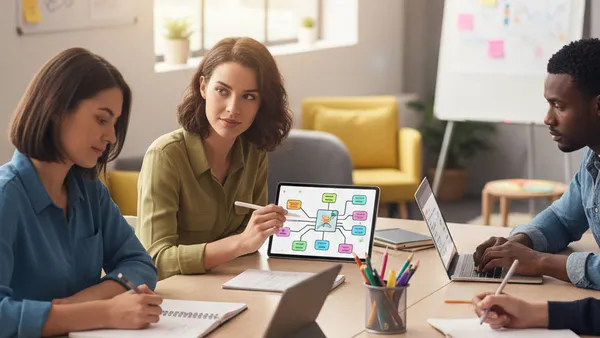
Instead, think of negotiation as a collaborative puzzle. You and the other person are sitting on the same side of the table, trying to solve a shared problem. Your goal is to figure out what they truly care about, and how you can give it to them while still getting what you need.
By shifting your mindset from "me against you" to "us against the problem," you remove the tension. You open the door to win-win solutions where everyone walks away feeling happy and respected!
Key Takeaway
Negotiation is about finding a collaborative solution that benefits both sides, not defeating an opponent.
Test Your Knowledge
What is the most helpful way to think about a negotiation?
If you want to be a great negotiator, you might think you need the gift of gab. You might believe that the person who talks the most and argues the loudest gets the best deal.
Actually, the exact opposite is true! The most powerful tool in any negotiation is active listening. When you talk, you are only repeating what you already know. When you listen, you gather valuable clues about what the other person truly values.
Start by asking open-ended questions—questions that start with "how" or "what." For example, instead of asking "Is that your final price?", you could ask, "How did you arrive at that number?" This encourages them to share their thought process without feeling defensive.
Once they start talking, just listen. Pay attention to their tone and what they emphasize. When you make the other person feel heard and understood, they become much more willing to cooperate and agree to your requests.
Key Takeaway
Listening carefully and asking open-ended questions gives you the clues needed to find a great deal.
Test Your Knowledge
Why are open-ended questions (starting with 'how' or 'what') useful in a negotiation?
Imagine jumping out of an airplane without checking if you have a parachute. That is exactly what it is like entering a negotiation without knowing your backup plan!
In the professional world, this backup plan is called your BATNA (Best Alternative to a Negotiated Agreement). Simply put, it is the absolute best thing you can do if this current deal falls apart.
For example, if you are asking your boss for a raise, your backup plan might be staying at your current salary, or it might be accepting a job offer from another company. If your backup plan is strong, you will feel incredibly confident. You won't act desperate because you know you have other great options waiting for you.
Before any negotiation, always define your safety net. It protects you from accepting a terrible deal just to get things over with, and gives you the ultimate superpower: the ability to walk away.
Key Takeaway
Knowing your best backup plan gives you the confidence to walk away from a bad deal.
Test Your Knowledge
What is a 'BATNA' in the context of negotiation?
Track your progress, earn XP, and compete on leaderboards. Download NerdSip to start learning.