How do dictators trick millions into loving them?
Prompted by A NerdSip Learner
Spot the warning signs of absolute power.
When you hear the word dictator, you probably picture a harsh, absolute ruler. But did you know the term actually started as a compliment?
In the ancient Roman Republic, a dictator was a trusted leader given temporary, absolute power to fix a major crisis—like leading an army during a sudden war. Once the crisis was over, they were expected to step down.
Things changed when Julius Caesar decided he wanted to be 'dictator for life.' Today, the word has lost its noble origins. It describes a ruler who holds total, unrestricted control over a country, typically taking power by force and refusing to let it go.
Modern dictators don't have a system of checks and balances. There is no independent court or opposing political party that can tell them 'no.' Instead of serving the people, the people are forced to serve them.
Key Takeaway
Dictators hold absolute power without democratic checks, a far cry from their temporary emergency role in ancient Rome.
Test Your Knowledge
What was the original role of a dictator in the ancient Roman Republic?
How do dictators keep millions of people under control? While fear is a common tool, many rely on something even more powerful: the Cult of Personality.
This is a carefully crafted public image that makes the leader look like a superhero, a flawless father figure, or even a god. Through constant propaganda, citizens are told that their leader is a genius who can do no wrong.
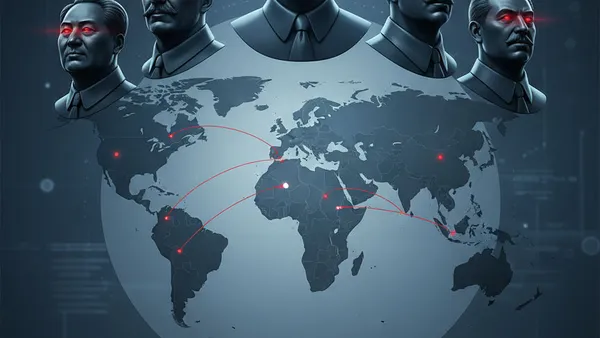
Think of massive statues, mandatory portraits in every home, or news broadcasts that only report on the leader's glorious achievements. Leaders like Joseph Stalin in the Soviet Union or the Kim dynasty in North Korea are famous for using this tactic to build fierce loyalty.
By blurring the line between the leader and the nation, dictators set a clever psychological trap. If the leader *is* the country, then criticizing them isn't just a simple disagreement—it's treated as treason.
Key Takeaway
Dictators use propaganda to build a 'cult of personality,' making themselves appear infallible and universally loved.
Test Your Knowledge
What is the primary goal of a 'Cult of Personality'?
If a dictator already holds all the power, why do they bother holding elections? It sounds like a paradox, but it is actually a very calculated strategy known as electoral authoritarianism.
Elections in a dictatorship aren't about giving citizens a choice; they are about putting on a show. By hosting a vote, the dictator creates an illusion of legitimacy. It makes them look democratic to the rest of the world and to their own citizens.
Of course, the game is heavily rigged. Often, there is only one name on the ballot. If there are other candidates, they are usually 'dummy' opponents who have no real chance of winning, while real rivals are jailed or exiled.
When the dictator inevitably wins with an absurdly high margin—like 98% of the vote—it sends a chilling message to anyone thinking of rebelling: *Look how many people support me. You are completely alone.*
Key Takeaway
Dictatorships often stage fake elections to create an illusion of democratic legitimacy and overwhelming popular support.
Test Your Knowledge
Why do dictators often hold rigged elections?
In a free society, knowledge is power. In a dictatorship, controlling knowledge is how the leader keeps their power. Dictators know that a well-informed public is a dangerous public.
To stay in charge, authoritarian regimes must monopolize the truth. They do this through strict censorship. Independent newspapers, TV stations, and radio broadcasts are shut down or taken over by the state. The only news allowed is news that praises the government.
Today, this battle for truth has moved online. Modern dictators use sophisticated technology to monitor web traffic, block social media, and erase unfavorable articles. This digital control creates a strict information bubble.
When citizens only ever hear one version of the story, it becomes incredibly difficult to organize protests or even realize that others share their frustrations. The dictator becomes the sole author of reality.
Key Takeaway
By strictly controlling the media and the internet, dictators shape public reality and suppress dissenting voices.
Test Your Knowledge
How do modern dictators usually handle the internet and media?
A common misconception is that dictatorships only happen overnight, usually through a sudden, violent military takeover known as a coup d'état. While this does happen, modern democracies are more likely to die a slow, quiet death.
Often, an aspiring dictator is actually elected democratically. Once in power, they slowly begin to dismantle the system from the inside out. This slow erosion of freedom is known as democratic backsliding.
They might start by subtly rewriting election laws to favor their own party. Next, they might place loyal friends in the highest courts, effectively removing the checks and balances meant to restrain them. Finally, they label any critical journalists as 'enemies of the people.'
Because the changes are gradual, citizens might not realize their democracy is slipping away until it is too late. The ultimate lesson of history is that freedom requires constant vigilance to protect it.
Key Takeaway
Democracies often collapse slowly as elected leaders gradually dismantle checks, balances, and a free press from the inside.
Test Your Knowledge
What is 'democratic backsliding'?
Track your progress, earn XP, and compete on leaderboards. Download NerdSip to start learning.