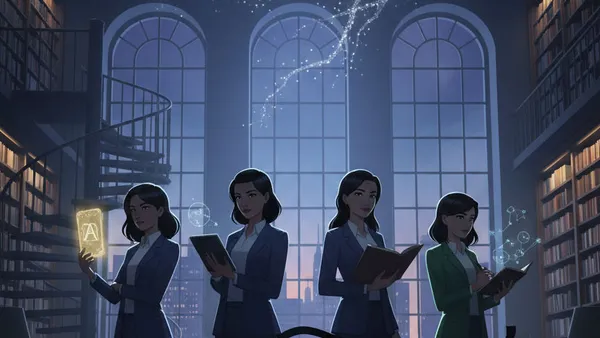
Who is 'A' and why did they change TV forever?
Prompted by NerdSip Explorer #2352
Decode the twists and impact of Rosewood's darkest secrets.
"Never trust a pretty girl with an ugly secret." This chilling tagline launched a pop-culture phenomenon in 2010, blending classic teen angst with a genuinely gripping, dark murder mystery.
The story begins in the wealthy, picturesque town of Rosewood, Pennsylvania. We are introduced to four estranged high school friends: the highly-driven perfectionist Spencer, the artsy and alternative Aria, the formerly unpopular glamorous "it-girl" Hanna, and the loyal, athletic Emily. Their tight-knit group splintered a year prior when their manipulative, charismatic queen-bee leader, Alison DiLaurentis, vanished without a single trace during a late-night sleepover.
Just as the girls attempt to navigate the trials of high school and move on with their separate lives, they begin receiving highly threatening text messages signed simply, "-A".
This anonymous tormentor knows deeply personal secrets that only Alison knew—and some incredibly dark secrets the girls thought they had buried forever. This thrilling inciting incident sets the stage for seven seasons of paranoia, proving that in Rosewood, the past never really stays buried.
Key Takeaway
The series kicks off when four estranged friends are stalked by an anonymous figure known as "A" following their leader's disappearance.
Test Your Knowledge
What event causes the core group of girls to initially drift apart?
What started as petty, digital cyberbullying quickly escalated into physical kidnapping, financial extortion, and intense psychological torture. The true genius of the show's long-running mystery was that "A" wasn't just a single person—it became a terrifying title passed down through the series.
The "A Game" operated in three major, distinct eras. The original "A" sought revenge for high school bullying, using burner phones, creepy porcelain dolls, and psychological manipulation. The second iteration, known as "Big A", escalated the stakes dramatically with underground bunkers, microchips, and elaborate, deadly traps.
Finally, the series concluded with the controversial "Uber A" (or A.D.), taking the plot into wild, theatrical soap-opera territory featuring long-lost evil twins and complex vendettas.
By constantly shifting the central villain's identity, the writers kept millions of fans perpetually guessing. The omnipresence of "A" successfully tapped into very real modern anxieties about digital privacy, making viewers wonder just how easily they could be watched through their own personal screens.
Key Takeaway
The villain "A" evolved from a single high school bully into a complex, rotating mantle of increasingly dangerous masterminds.
Test Your Knowledge
What does the show's format suggest about the identity of "A"?
On the surface, Rosewood, Pennsylvania, is the absolute picture of idyllic, wealthy American suburbia. It boasts flawlessly manicured lawns, exclusive country clubs, and seemingly perfect, smiling families. But right underneath this pristine, glossy veneer lies a terrifying hotbed of deep corruption, infidelity, and even murder.
The show expertly uses the town of Rosewood as a menacing character itself. It sharply critiques the illusion of suburban perfection, demonstrating that immense wealth and social status are often utilized as impenetrable shields to hide horrific, illegal behavior.
Crucially, the teenage girls aren't the only ones keeping dangerous secrets. The adults in Rosewood are frequently revealed to be deeply flawed and sometimes outright predatory. From actively corrupt police officers to high school teachers having secret, inappropriate relationships with their young students, the established authority figures fail the girls at absolutely every turn.
This systemic isolation forces the core four to become their own hardened detectives. They rely entirely on each other because they simply cannot trust the adults who are supposed to protect them.
Key Takeaway
Rosewood's picture-perfect exterior masks deep corruption, forcing the teenage protagonists to solve crimes without the help of untrustworthy adults.
Test Your Knowledge
How does the show generally portray the adult authority figures in the town of Rosewood?
*Pretty Little Liars* wasn't just a highly successful television show; it was a pioneering digital event that completely revolutionized how networks marketed to younger audiences.
Premiering right alongside the massive rise of modern social media in 2010, the series quickly became the most-tweeted TV show of its era. Fans didn't just passively watch the dramatic episodes; they actively live-tweeted, crowdsourced elaborate theories, and analyzed every single frame for hidden clues using massive, globally trending hashtags.
The writers and showrunners recognized this unprecedented digital engagement and leaned in completely. They began intentionally planting complex Easter eggs in the background of scenes, fully knowing the internet would pause, zoom in, and deeply dissect them.
This symbiotic relationship between the creators and the dedicated fandom blurred the distinct lines between the television screen and reality. In a very real way, the audience became an active part of the "A" game, endlessly investigating the mystery in real-time on their own digital devices.
Key Takeaway
The show revolutionized TV engagement by utilizing social media, encouraging fans to actively participate in solving the mystery online.
Test Your Knowledge
How did the creators of the show respond to the fans' intense social media engagement?
Despite the terrifying kidnappings, the constantly shifting character alliances, and the famously outlandish, soapy plot twists, *Pretty Little Liars* maintained a fiercely dedicated, passionate fanbase for seven consecutive years. Why did millions of viewers stick around through the utter chaos?
At its absolute heart, the show was never really about the dark mystery of "A"—it was a profound, ongoing exploration of unconditional female friendship. Spencer, Aria, Hanna, and Emily possessed wildly different personalities and goals, yet they survived unimaginable trauma because they flat-out refused to turn on one another.
The central villain constantly tried to fracture their tight bond, frequently offering them selfish deals to sell each other out to save themselves. But time and time again, the girls boldly chose solidarity over self-preservation.
While the entire town of Rosewood was built on a crumbling foundation of dark lies, and various romantic relationships rapidly came and went, the fierce platonic love between the core four was the only undeniable truth in the series.
Key Takeaway
The enduring legacy of the show is its portrayal of unbreakable female friendship in the face of relentless trauma and manipulation.
Test Your Knowledge
What is the ultimate foundational theme that held the show's chaotic plot together?
Track your progress, earn XP, and compete on leaderboards. Download NerdSip to start learning.