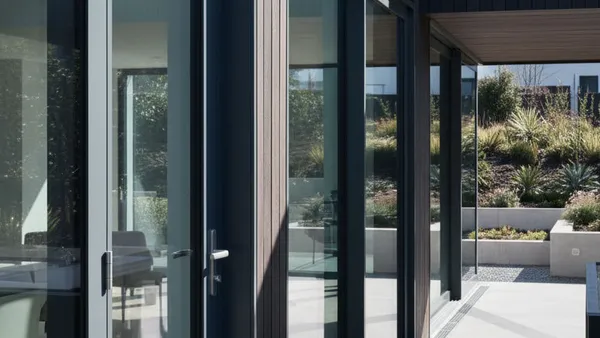
Curious about what makes modern aluminum windows so strong, sleek, and energy-efficient?
Prompted by NerdSip Explorer #9682
Master the basics of aluminum exterior joinery.
Have you ever looked at a modern, high-end house and admired those sleek, massive windows that seem to stretch from floor to ceiling? Chances are, the frames holding all that heavy glass are made of aluminum.
Aluminum is a truly fascinating metal. In the world of construction, it is prized because it is incredibly lightweight yet surprisingly strong. This means it can support huge panes of glass without bending, warping, or breaking. Think of it like the superhero of window materials—skinny but mighty!
Unlike wooden frames, aluminum will never rot, swell in the rain, or get eaten by termites. And unlike iron or steel, it naturally resists rust. When you choose aluminum for your home's exterior joinery (doors and windows), you are investing in decades of zero-stress durability.
Whether you live by the salty sea or in a snowy mountain town, aluminum stands strong against the elements. It’s the ultimate low-maintenance, high-reward choice for modern living!
Key Takeaway
Aluminum is lightweight, exceptionally strong, and naturally resistant to rot and rust, making it perfect for windows.
Test Your Knowledge
Why can aluminum frames be so thin while holding large, heavy glass panes?
Before we dive deeper into the technical magic, let’s learn the basic "body parts" of a window. Don't worry, it's simpler than biology class!
First, we have the frame. This is the sturdy outer rectangle that is permanently attached to your home's wall structure. It stays completely still, bears the weight, and holds everything together.
Next is the sash. This is the inner frame that actually holds the glass. If your window is designed to open and close, it’s the sash that is moving on hinges or tracks. Think of the frame as a doorway, and the sash as the door itself.
Finally, we have the glazing, which is just a fancy architectural term for the glass pane. By combining a fixed frame, a well-balanced movable sash, and high-quality glazing, you get a complete, functional aluminum window ready to be installed in your home!
Key Takeaway
A window primarily consists of a fixed frame, a movable sash, and the glass (glazing).
Test Your Knowledge
Which part of the window physically moves when you open it?
Aluminum is a fantastic conductor of temperature. If you touch a hot frying pan made of metal, you feel the heat instantly! But for your house, this excellent conductivity is actually a huge problem. You don't want winter's freezing cold traveling straight through your window frame and chilling your cozy living room.
Enter the thermal break. This is arguably the most important engineering invention in modern aluminum windows.
A thermal break is a tough piece of hard plastic (usually polyamide) placed directly in the middle of the aluminum profile. It physically separates the outside metal from the inside metal, acting like a bridge that has been cut in half.
Because plastic doesn't conduct temperature well, this strip acts like an invisible roadblock. It completely stops the cold from sneaking in and keeps your expensive indoor heating from escaping out into the neighborhood!
Key Takeaway
A thermal break is a plastic barrier inside the frame that prevents outside temperatures from transferring inside.
Test Your Knowledge
What material is typically used to create a thermal break inside an aluminum frame?
When architects and builders talk about "profiles," they just mean the specific shape, thickness, and design of the metal frames. Aluminum offers a fantastic variety of profiles to match the unique style of your home.
The standard profile is thick, bold, and robust. It looks substantial and provides a beautiful border for your view. It is perfect for classic, traditional, or industrial-style homes.
But if you want a highly modern, sleek look, you can choose a minimalist profile (often called "slim-line"). Because aluminum is inherently so strong, these frames can be amazingly thin. Sometimes, the frame is designed to be almost entirely hidden inside the wall, leaving you with nothing but a giant, uninterrupted view of the outdoors!
There are also high-insulation profiles, which are built slightly wider to pack in extra thermal breaks. These are specially designed for freezing climates where warmth is the top priority.
Key Takeaway
Profiles refer to the shape and thickness of the frame, ranging from bold standard sizes to ultra-thin minimalist designs.
Test Your Knowledge
What is a key benefit of a minimalist or "slim-line" aluminum profile?
A beautifully crafted aluminum frame is nothing without great glass. In the window and door world, the glass component is referred to as glazing.
Today, almost all modern homes are built using double glazing. This means there are two panes of glass separated by a pocket of trapped air or harmless, dense gas (like Argon). This trapped gas acts like a cozy, invisible blanket, keeping your house warm and blocking out noisy street traffic.
If you live in a very loud neighborhood or an exceptionally freezing climate, you might upgrade to triple glazing. As you probably guessed, this uses three layers of glass and two separate pockets of gas for maximum insulation!
Between the glass panes, around the edges, sits a tiny structural piece called a spacer. It holds the glass apart and is sealed completely tight to ensure moisture never gets inside. No one likes a foggy window!
Key Takeaway
Double or triple glazing uses multiple panes of glass with trapped gas in between to act as an insulating blanket.
Test Your Knowledge
What is the primary purpose of the trapped air or gas between window panes?
An aluminum window isn't just a static piece of metal and glass; it’s a working machine with moving parts! These mechanical components are collectively known as hardware or fittings.
The most obvious piece of hardware is the handle. Modern aluminum handles come in endless styles, from sleek hidden grips to classic levers, allowing you to easily operate heavily glazed doors with just one hand.
Behind the scenes, you have the hinges, which bear the immense, heavy weight of the glass sash. High-quality aluminum joinery often uses "concealed hinges," meaning they are completely hidden inside the frame when the window is closed for a seamless look.
Finally, there’s the locking mechanism. Modern window systems use multi-point locks. When you turn the handle down, metal bolts shoot out and secure the window into the frame at several different points simultaneously, making it incredibly secure against intruders!
Key Takeaway
Hardware includes handles, hinges, and multi-point locks that make your windows functional and secure.
Test Your Knowledge
What is a "multi-point" lock on an aluminum window?
Even the strongest, most expensive aluminum frame would be useless if wind and rain could easily sneak through the cracks. To prevent this, exterior joinery relies on high-tech rubber seals called gaskets.
Usually made from a highly durable, synthetic rubber like EPDM, these black, flexible strips are fitted tightly around the edges of the glass and all along the moving sash.
When you close and lock an aluminum window, the metal sash squeezes very tightly against these rubber gaskets. This action creates a completely airtight and watertight seal, functioning very much like the thick rubber seal on the door of your refrigerator.
Thanks to these hidden rubber heroes, extreme winter winds and sideways rain stay firmly outside. They also help block out whistling drafts, leaving you completely dry, quiet, and comfortable on your living room couch!
Key Takeaway
Rubber gaskets create an airtight and watertight seal when the window is closed, blocking out wind and rain.
Test Your Knowledge
What common household appliance uses a similar rubber sealing concept to a weatherproof window?
You rarely see raw, silver aluminum on a finished house. Instead, the metal is coated with beautiful, long-lasting colors. The most popular way to do this in the joinery industry is called powder coating.
This isn't your normal wet paint applied with a brush. Instead, the factory sprays the aluminum with a dry, colored powder. Here is the cool part: they use static electricity! The metal is given an electrical charge, which magnetically attracts the powder, ensuring a perfectly even coat on every tiny edge.
After it's coated, the aluminum is baked in a massive industrial oven at around 200°C (400°F). The heat melts the powder into a smooth, incredibly tough, armor-like shell.
Powder coating won't chip, peel, or fade easily, and it comes in hundreds of colors. You can even choose a matte, glossy, or textured finish to match your home perfectly!
Key Takeaway
Powder coating uses statically charged dry powder baked in an oven to create a durable, colorful finish.
Test Your Knowledge
Why is static electricity used in the powder coating process?
While powder coating adds a thick layer of color *on top* of the metal, there is another popular finishing method called anodizing that actually changes the metal itself!
During the anodizing process, the raw aluminum is dipped into a special chemical bath and zapped with a strong electrical current. This forces the surface of the aluminum to rapidly grow a thick, controlled layer of oxide (which is technically a form of rust). But unlike iron rust, which destroys metal, aluminum oxide is actually harder than the metal itself!
This process creates a permanent, transparent armor that is physically integrated into the aluminum profile. It cannot peel, blister, or flake off because it *is* the aluminum.
Anodizing leaves a beautiful, raw metallic sheen. While it offers fewer color choices than powder coating, it is the ultimate champion for resisting scratches and extreme coastal weather.
Key Takeaway
Anodizing uses an electrical bath to grow a permanent, ultra-hard protective oxide layer directly out of the aluminum.
Test Your Knowledge
What is the main difference between anodizing and powder coating?
One of the best things about aluminum exterior joinery is how incredibly little effort it takes to maintain. Unlike traditional wood, which needs frequent sanding, staining, and repainting every few years, aluminum is extremely forgiving.
To keep your frames looking brand new, all you need is a soft sponge, warm water, and a little bit of mild soap a few times a year. Just wipe away the dirt, dust, and coastal salt! Keep the moving hinges clean and occasionally lubricated, and your windows will easily outlast you.
But what happens at the end of its very long life? Aluminum is 100% recyclable. It can be melted down and turned into a brand new window frame without losing a single drop of its strength or structural quality.
Choosing aluminum isn't just a great aesthetic choice for your home; it's a fantastic, highly sustainable choice for our planet!
Key Takeaway
Aluminum requires only basic soap-and-water cleaning and is 100% recyclable, making it an eco-friendly and low-maintenance choice.
Test Your Knowledge
How often does a modern aluminum window frame need to be sanded and repainted?
Track your progress, earn XP, and compete on leaderboards. Download NerdSip to start learning.