Why do sweet drinks often lead to the worst hangovers?
Prompted by A NerdSip Learner
Spot marketing tricks and understand the sugar-alcohol crash.
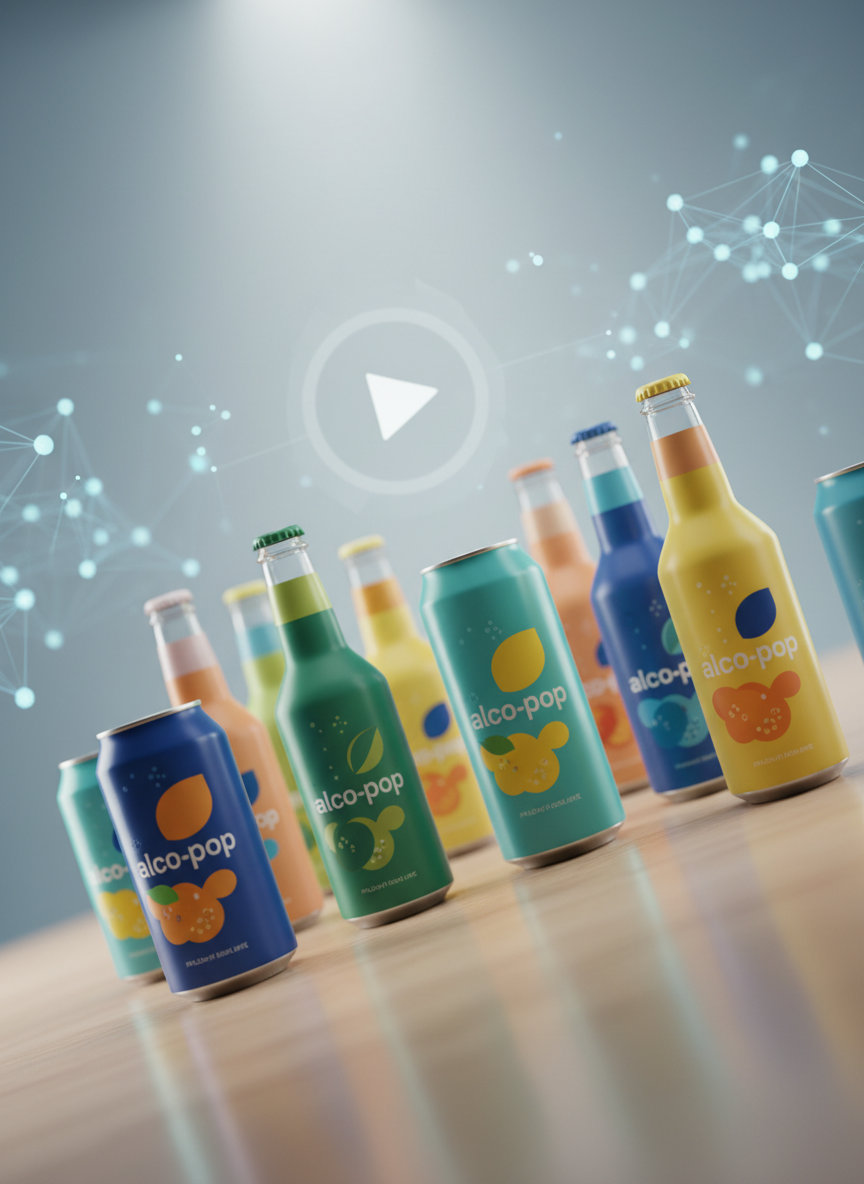
Hey there! Ever seen those bright, fizzy drinks that look just like soda? They are widely known as Alco-pops or Ready-to-Drinks (RTDs). While they might taste like lemonade or berry juice, they are actually playing a massive trick on your senses.
Manufacturers pack these drinks with sugar and intense flavorings to completely hide the sharp, burning taste of ethanol (alcohol). For a younger drinker, this is a trap! Because it doesn't *taste* dangerous, it is incredibly easy to drink them fast, just like you would down a regular soda on a hot day.
Here is the science: Your body usually reacts to the bitterness of alcohol by slowing you down. But here, the sugar masks those natural warning signs. You might end up consuming a lot more alcohol than you intended before you even feel the buzz. Stay sharp and don't let the sweetness fool you!
Key Takeaway
Alco-pops use sugar to mask the taste of alcohol, making it easy to drink too much too quickly.
Test Your Knowledge
What is the primary function of the high sugar content in alco-pops?
Think an alco-pop is 'lighter' than a beer? Think again! These drinks are often absolute calorie bombs. One single bottle can have as much sugar as a full-size candy bar, *plus* the empty calories from the alcohol itself.
When you mix high sugar with alcohol, you are setting your body up for a rough time. Alcohol is a diuretic (it makes you lose water), and processing that massive amount of sugar requires even *more* water from your system. This combination leads to rapid and severe dehydration.
The result? A much nastier hangover the next day. The 'sugar crash' combines with the alcohol withdrawal to make you feel sluggish, headache-y, and sick. It’s not just a drink; it is a recipe for a total energy collapse. Understanding this biology helps you make smarter choices about what you put in your body.
Key Takeaway
Combining alcohol and high sugar causes severe dehydration, leading to worse hangovers.
Test Your Knowledge
Why do alco-pops often cause worse hangovers than other drinks?
Have you ever noticed how alco-pops look strangely similar to energy drinks or fruit juices? That is not an accident! It is very clever psychological marketing. Brands use neon colors, shiny foils, and 'cool' fonts to make these heavy drinks look harmless and fun.
They are specifically designed to bridge the gap between 'kiddie drinks' and adult beverages. By making the packaging look familiar and safe, they lower your risk perception. It feels less like taking a drug and more like having a treat.
Next time you see one, look past the cool logo. Check the ABV (Alcohol By Volume) percentage on the back. It might look like a soda, but it often has the same alcohol strength (or higher!) than a strong beer. Be the smartest person in the room—judge the drink by the label facts, not the visual vibe!
Key Takeaway
Marketing uses bright colors and familiar designs to make dangerous drinks look harmless.
Test Your Knowledge
What is the goal of the 'colorful' packaging on alco-pops?
Track your progress, earn XP, and compete on leaderboards. Download NerdSip to start learning.